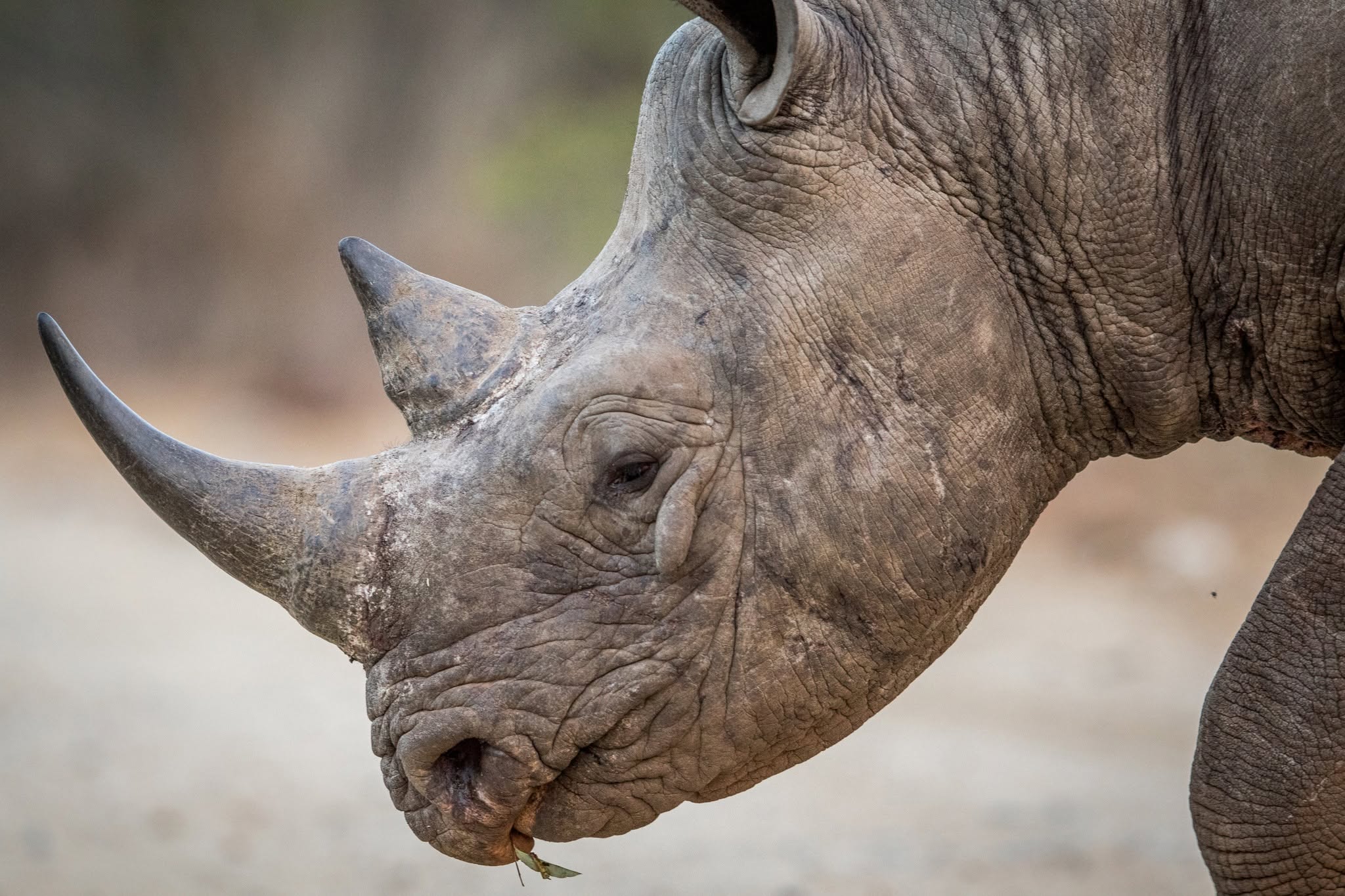
MATUSADONA NATIONAL PARK - Critically endangered black rhinos are back in Matusadona National Park for the first time in more than 30 years, in what officials call a historic reintroduction for Zimbabwe.
The rhinos were airlifted Wednesday from Imire Rhino and Wildlife Conservancy, Matobo National Park and a third undisclosed site, the Zimbabwe Parks and Wildlife Management Authority said.
They arrived in crates and will be monitored in holding pens before phased release into a 175-square-kilometer Intensive Protection Zone on Lake Kariba.
Each rhino is fitted with a tracking device for real-time monitoring.‘An Icon Returns’Before organized poaching in the late 1980s and early 1990s, the Sebungwe region held Zimbabwe’s largest contiguous black rhino population.
As poaching escalated, ZimParks moved survivors to safer areas. Some of the rhinos returned this week are direct descendants of animals removed from Matusadona three decades ago.
“Words cannot describe watching these rhino touch ground once again in Matusadona,” said Reilly Travers, conservancy manager at Imire Rhino and Wildlife Conservancy. “It is a moment filled with pride, hope and belief in long-term partnership.”
Michael Pelham, Matusadona park manager, helped remove the last rhinos in the 1990s. “I helped crate them and fly them out, not knowing if the species would ever come back,” Pelham said. “Walking this landscape recently, there has been an overbearing sense that we are missing an icon.”
ZimParks Director General Edison Gandiwa called the reintroduction “historic” and “a proud moment for Zimbabwe’s conservation.”“It is a testament to what is possible when government, conservation groups and local partners work with shared purpose,” Gandiwa said.
The move supports Zimbabwe’s National Rhino Strategy by creating a founder population expected to grow into another metapopulation over 15 years.
The operation was led by Matusadona National Park, ZimParks and African Parks, which signed a 20-year management deal for the park in 2019. Funding came from the European Union, Global Wildlife Fund and donors Thomas and Sara de Swardt.
The Rhino Recovery Fund backed early preparation.Traditional leaders including Chiefs Mola, Masampakaruma, Nebiri and Negande pushed for the rhinos’ return, ZimParks said.
“This is not a project imported from elsewhere,” said Daniel Sithole, country manager of Matusadona Conservation Trust.
“These animals carry the genetics of this landscape. Their return belongs to Zimbabwe.
”African Parks CEO Peter Fearnhead said he witnessed the rhino collapse in Matusadona in the early 1990s. “It is personally gratifying to have been a partner in the revival of Matusadona,” Fearnhead said. “Once again, the black rhino is an icon in this magnificent landscape.”African Parks manages 24 protected areas across 13 countries.