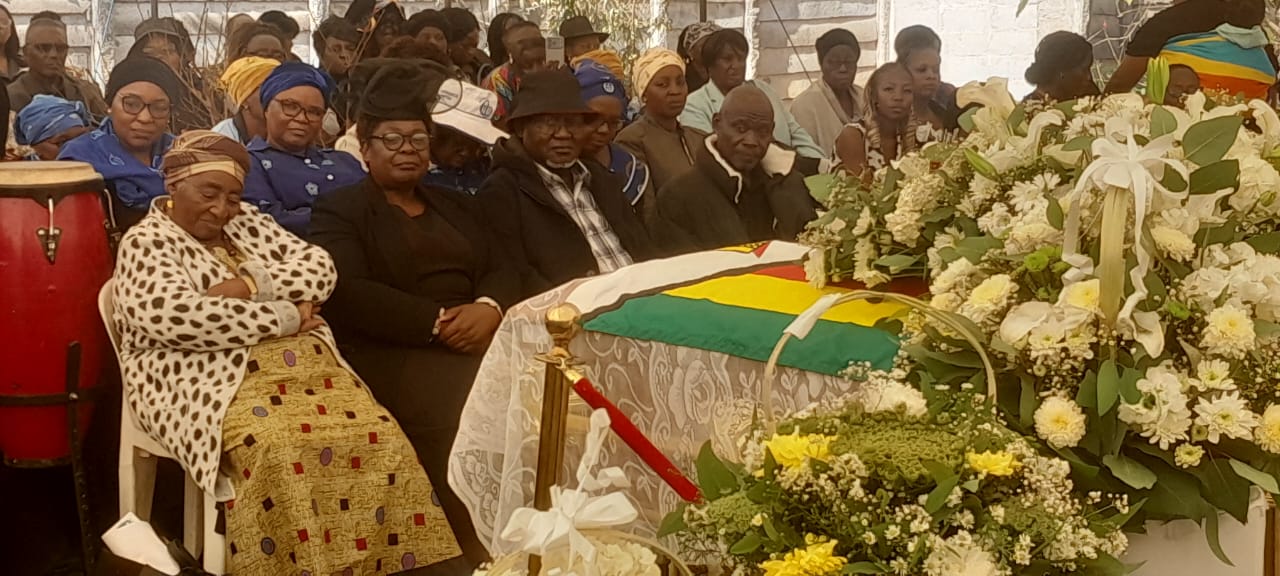
Harare - Opposition leader and human rights activist Linda Tsungirirai Masarira was laid to rest Wednesday at Glenforest Memorial Park, closing a turbulent chapter that drew mourners and critics alike.
Her burial followed a chapel service Tuesday at Nyaradzo Funeral Service attended by figures from across Zimbabwe’s fractured political landscape.Masarira died Sunday at age 43.
The cause of death remains officially unconfirmed, though close associates say she had been battling asthma-related complications. She leaves behind five children.
Masarira founded the Labour Economists and African Democrats (LEAD) in 2019 after serving as spokesperson for the MDC-T faction led by Thokozani Khupe.
Her career began at the National Railways of Zimbabwe before she became a prominent opposition voice on women’s rights, labour issues, and governance. She contested the 2018 presidential election and later joined the Political Actors Dialogue formed by President Emmerson Mnangagwa.
Her activism included a 2016 prison term, repeated arrests, and public battles that won her both loyal supporters and fierce detractors.
President Emmerson Mnangagwa expressed condolences, describing her as “a bold and outspoken voice” who “consistently advocated for dialogue, constitutionalism and national unity.”
But her death sparked sharp, divided reactions.
Opposition figure Jacob Ngarivhume declined to mourn her, citing allegations that she had fabricated claims against fellow activists and used divisive rhetoric.
Constitutional law expert Dr. Justice Mavedzenge rejected calls to “respect the dead,” stating: “I will not mourn anyone who unashamedly uses their life to promote and defend an evil system.”
A recent NewsDay opinion piece examined harsh social media reactions to Masarira’s death. Some users described her passing as “karma” for her support of the controversial Constitution Amendment No. 3 Bill.
The publication argued the backlash reflects deeper political polarisation in Zimbabwe, where partisan rifts often override basic humanity. It pointed to investigative journalist Hopewell Chin’ono as an example of setting aside differences, noting he expressed sadness despite political disagreements.
Masarira’s political journey was marked by shifts that drew praise and condemnation. Supporters saw a fearless advocate who endured jail and harassment.
Critics accused her of inconsistency and of undermining the opposition by engaging with Mnangagwa’s POLAD platform.