Harare - A local watchdog has accused Chinese-owned Dinson Iron and Steel Company of leaving communities displaced by its multi-billion-dollar Manhize steel project in “severe hardship and neglect.”
In a statement Wednesday, the Centre for Natural Resource Governance (CNRG) said families forced to make way for the Dinson Industrial Park in Mvuma are battling water shortages, inadequate compensation, food insecurity, and environmental pollution.
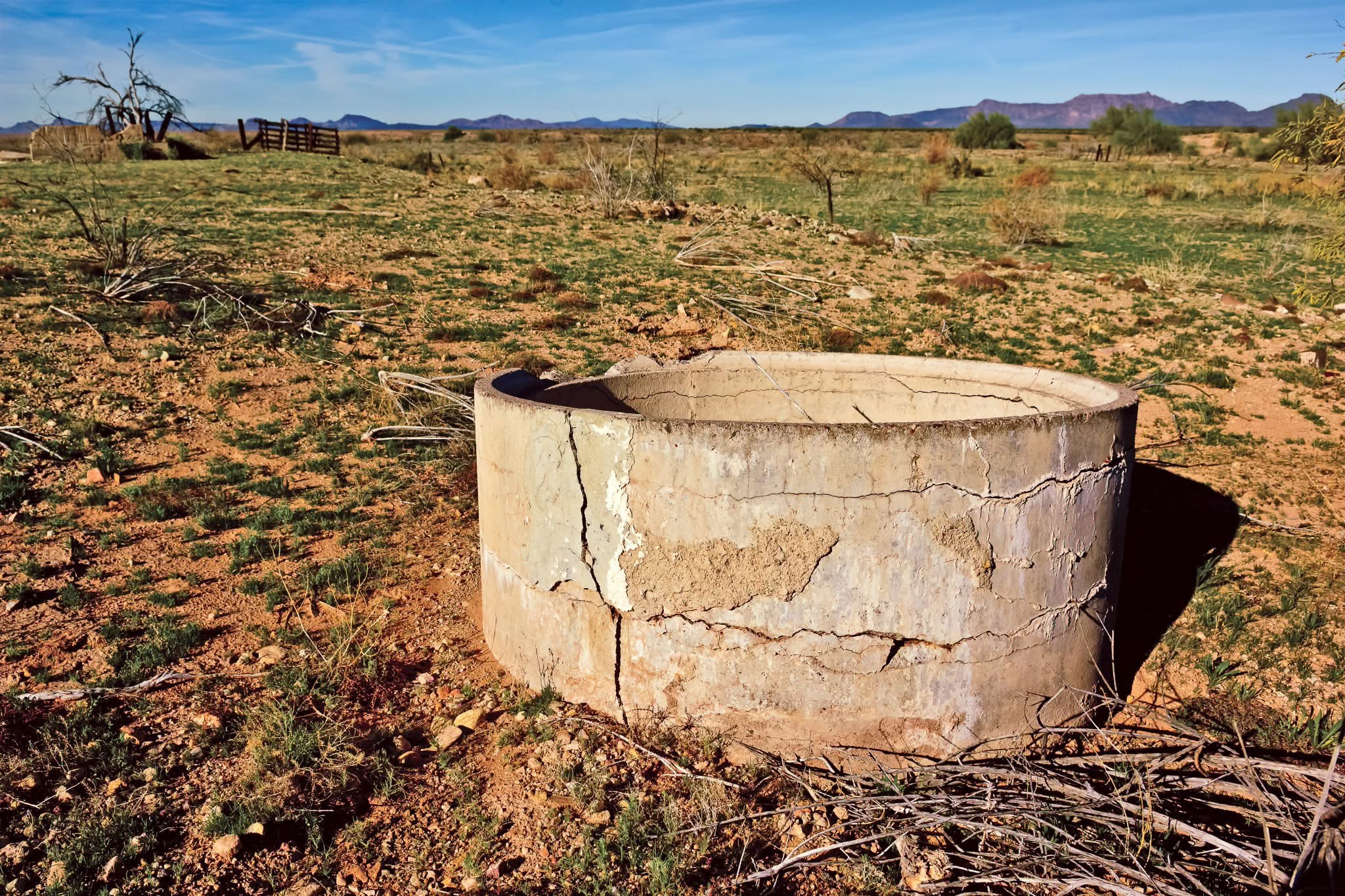
CNRG said six boreholes drilled by the company at relocation sites have “turned into dry holes,” leaving families without reliable water.
The group singled out 22 families from Mushenjere Village, many of them elderly residents aged between 80 and 90. “These villagers, especially elderly women who depend on subsistence farming, have lost access to their agricultural land following mining expansion,” CNRG said.
The organisation alleged Dinson fenced off arable land while building a perimeter wall around the industrial complex, cutting villagers off from fields they relied on for survival.
“Consequently, for more than four years the affected families have not been able to grow crops for subsistence, thereby condemning them to perennial food insecurity,” the statement read.
CNRG claimed only three families have been relocated to the proposed site so far, and the houses allocated to them have already developed structural cracks despite appearing complete from the outside.
Families are reportedly surviving on intermittent subsistence allowances of US$200 paid every other month. CNRG called the payments inadequate amid rising living costs, adding that the allowances once stopped for more than five months until residents protested.
The watchdog warned that Zimbabwe’s industrialisation push must not come at the cost of community rights.
“Zimbabwe’s industrialization agenda cannot be realized by sacrificing human dignity, community rights, and environmental justice,” CNRG said.
Dinson Iron and Steel Company, a subsidiary of China’s Tsingshan Holding Group, is building a US$1.5 billion steel plant in Manhize near Mvuma.
Touted as Africa’s largest integrated steel works, the project is expected to produce 1.2 million tonnes annually and anchor Zimbabwe’s bid to revive its iron and steel industry. The industrial park has required large-scale land clearance and relocation of nearby villages.
Repeated efforts to get a response from Dinson Iron and Steel Company were unsuccessful at the time of publishing.
Dinson Iron and Steel Company has previously defended its handling of community relocations, saying it followed government procedures and exceeded minimum requirements.
In response to earlier complaints, Dinson public relations manager Joseph Shoko denied pressuring villagers to move. “This is absolutely false information. In fact, if there is any relocation taking place, we build first and we enlist the help of the District Development Coordinator (DDC) to engage the affected communities. It’s not like as a company we instruct a family to relocate,” Shoko said.
The company has highlighted its social investments linked to the project. Dinson says it has built a US$3.5 million Munyati River Bridge, invested US$8 million in a dual-lane road connecting the plant to the highway, drilled boreholes worth US$50,000, and renovated seven schools at a cost of US$200,000. 2ac57bde
Head of ESG Pela Mtunzi said DISCO “doesn’t donate, we build with communities to ensure that the development is sustainable.” Projects cited include modern housing for relocated families, electrification of homes, borehole drilling, and solarisation of schools. 2e83
In 2024, the company reported it had “directly employed over 3,500 Zimbabweans” and invested “over US$5 million in community projects, including the construction of two modern schools, a state-of-the-art healthcare center, and the drilling of 15 boreholes to improve water access”.
A Herald editorial also stated: “The farmers who had to be moved to make way for the mines, the town and the steelworks, were properly resettled, each family getting a decent house on its new farm, as Dinson exceeded the minimum requirements for relocation and that is probably the main reason why there have been no complaints from the local community.