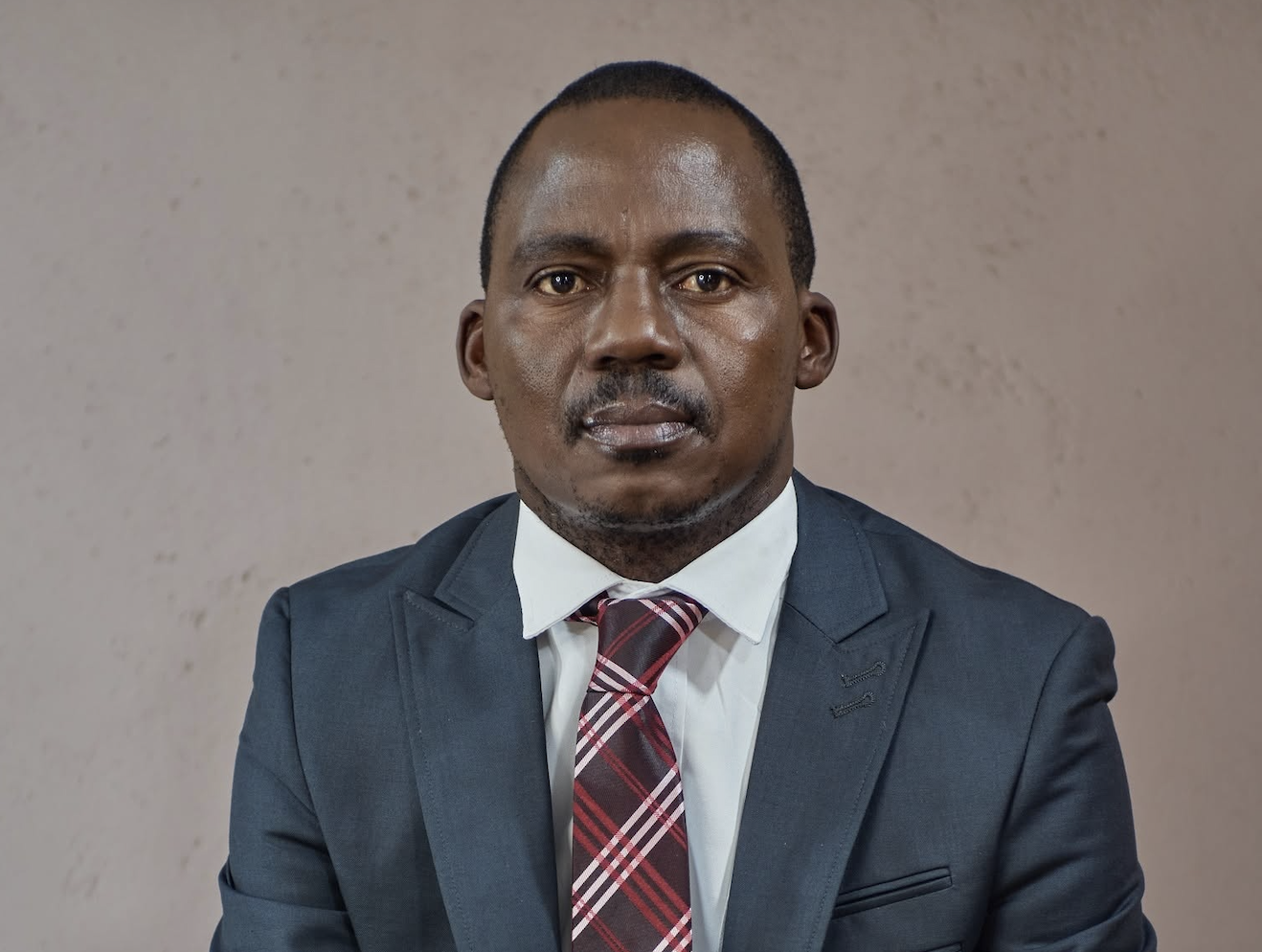
BULAWAYO — Journalist Zenzele Ndebele, founder of the Centre for Innovation and Technology, has rejected claims that the government silenced him with the offer of an off-road vehicle, saying the vehicle was part of a deal tied to documentaries CITE has produced on liberation war veterans.
Speaking to Mopane News, Ndebele said the vehicle was not a “goodwill gesture” but linked to a government request for CITE’s documentary archive.
“We told them that if they want us to provide the documentaries, they have to provide us with the equipment hence the vehicle and other equipment which will be coming soon,” he said.
Ndebele founded CITE in Bulawayo as an independent digital media and innovation hub.
The centre has built a reputation for investigative reporting and for producing documentary films on Zimbabwe’s liberation war history, veterans’ welfare, and post-independence governance.
Its work often airs online and through community screenings, filling gaps left by state media and reaching younger audiences.
The allegations of a government buyout surfaced on social media this week, with critics suggesting the vehicle amounted to co-option of an independent voice.
Ndebele pushed back, saying CITE retained editorial control and that the arrangement was a straightforward exchange: archival material for production equipment.
He did not name which government ministry or department made the request, nor did he disclose the value of the vehicle or other equipment expected.
Government officials had not publicly responded to Ndebele’s comments at the time of publication.
The Ministry of Information, Publicity and Broadcasting Services has in the past partnered with private producers to acquire historical content for the Zimbabwe Broadcasting Corporation and for national archives.
Media watchdogs have long warned about the blurred lines between state support and editorial independence in Zimbabwe’s press environment.
The Media Institute of Southern Africa Zimbabwe chapter says any resourcing from the state must be transparent to avoid compromising newsroom autonomy.
“Public interest journalism needs resources, but the terms of engagement matter,” a MISA official said on condition of anonymity because the organization had not released a formal statement on the CITE case.
Zimbabwe’s museums and the National Archives preserve extensive records of the liberation struggle, from oral histories to film reels and artifacts from pre-colonial states.
Independent producers like CITE have in recent years digitized testimonies from war veterans, citing gaps in the official record and the aging of first-hand sources.
Ndebele said the additional equipment due under the deal would help CITE expand field production in rural Matabeleland, where many veterans live.
He insisted the centre’s coverage would not change. “We will continue to report without fear or favour,” he told Mopane News.