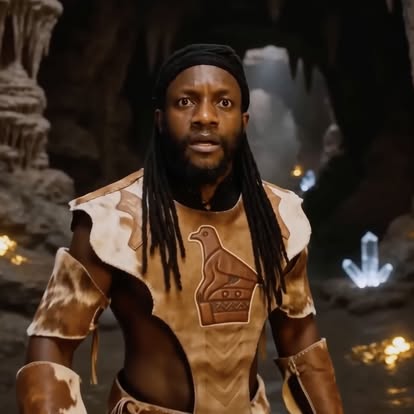
HARARE - The streets of Harare were already buzzing by midday on May 29, 2026. In Kambuzuma, where Wallace Chirumiko - better known as Winky D, or DiBigman, or simply Gafa, grew up. Speakers blasted from barber shops and bottle stores. Young men in hoodies nodded along, aunties paused their market haggling, and taxis slowed down with windows rolled down. The teaser had warned them: “Ndinofira kureva” - I will die for telling the truth. Fans braced for another lyrical earthquake. Then “Chivanhu” dropped. And Zimbabwe shook - not with rage this time, but with deep, uncomfortable reflection. The AI-generated video opens with ancestral figures in traditional regalia standing tall beside modern schoolchildren in uniforms, blending past and present in haunting visuals. Winky D’s voice cuts through:“Ndinofira kureva! ... Kune vakuru vedu nhasi ndauya ndine muvhunzo. Hatingazive ramangwana tisina kuziviswa ranezuro! Takazochisiya papi chivanhu?” (I will die for telling the truth! ... To our elders today, I come with a question: We can’t know tomorrow if we are not told about yesterday! Where did we leave our culture?) He questions how Zimbabweans traded their rituals, ancestors’ stories, and values for foreign religions, languages, and materialism - while other nations proudly guard theirs. The track laments mental colonization and lost identity, calling on leaders and elders to reconnect the people with their roots. It is not a direct political attack, yet it lands like one - a mirror held up to a nation still wrestling with its soul. Journalist and social media influencer, Hopewell Chin’ono, was among the first to applaud: “I want to thank Zimbabwean dancehall star Winky D for the very insightful message in his new song, Chivanhu. He touches on a serious topic... Consummate artists do not chase narratives, they shape them. They do not merely reflect society, they challenge it, provoke thought, and help direct the national conversation towards issues that matter.” Fellow musician Mudiwa Hood and even some ZANU-PF voices praised its cultural focus. Opposition figures and ordinary citizens shared it widely. One viral post captured the mood: “Winky D sucker-punched everyone. It’s not as politically charged as the teaser implied, yet it asks a question we circle around... Takazochisiya papi chivanhu?” (Where the hell did, we leave our humanity?) But in true Winky D fashion, the talk spread like wildfire. Some saw subtle jabs at governance and elite abandonment of African values. Others debated whether the song leaned too heritage-focused for comfort. By evening, it was trending, climbing charts, and sparking barbershop debates from Bulawayo to Bindura. By the time this article was published, the song had surpassed 500,000 views on YouTube.
WINKY D STRIKES AGAIN: ‘Chivanhu’ Shakes Zimbabwe to Its Core – The Truth Song No One Can Ignore!
Mopane News•